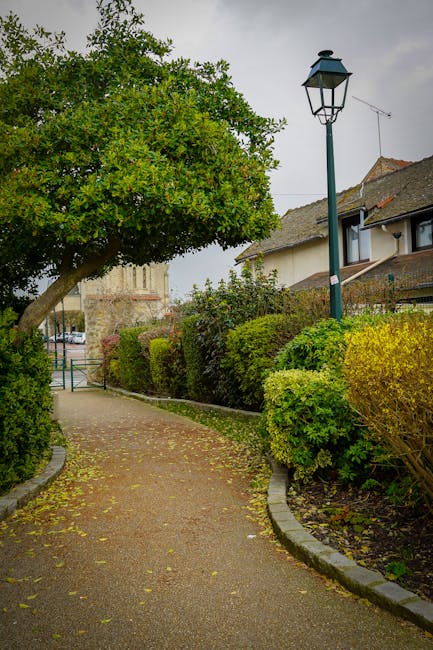
Gardeners serving Lesnes Abbey Woods for front garden care

If your front garden is the first thing people see, it quietly does a lot of work. It frames the house, affects kerb appeal, and sets the tone before anyone even reaches the door. Gardeners serving Lesnes Abbey Woods for front garden care understand that balance: tidy, attractive, low-stress, and suited to real everyday living in a busy London setting.
Front garden care is not just about making things look neat for a weekend. It is about keeping borders healthy, lawns manageable, hedges under control, paths safe, and planting schemes realistic for the space you actually have. In a place like Lesnes Abbey Woods, where homes may sit close to shade, shelter, traffic dust, and seasonal leaf fall, a thoughtful maintenance plan makes a noticeable difference. And yes, the difference can be bigger than people expect.
Below, you will find a practical guide to how front garden care works, what services are usually involved, how to choose the right approach, and which mistakes tend to cause unnecessary headaches. There is no fluff here. Just the sort of guidance that helps you decide what to do next, whether you want a one-off tidy-up or regular support through the seasons.
Why Gardeners serving Lesnes Abbey Woods for front garden care Matters
A front garden is small in square footage but big in impact. It is the bit of outdoor space that gets viewed every day, by you, by neighbours, by visitors, and by anyone passing along the street. If it is well kept, the whole property feels calmer. If it is neglected, the mess shows quickly. That is just how frontage works.
Front garden care matters even more in areas where access is tight, pavements are shared, or planting is exposed to urban conditions. Dust builds up. Weeds appear in the cracks. Hedges stretch a bit too far. The lawn, if you have one, can look tired surprisingly fast. A good gardener does not just cut things back; they help the space look intentional.
There is also a practical side. Clear entrances, trimmed growth, and level surfaces reduce trip hazards and make the front of the home easier to use. That matters for families, older residents, and anyone who regularly carries shopping, bins, prams, or tools in and out. A front garden should feel welcoming, not like an obstacle course.
For many homeowners, the front plot is also the easiest part of the garden to improve without a major redesign. Simple maintenance can create a sharper, better-finished look right away. If you want a broader understanding of the services that typically sit behind this kind of work, the services overview is a sensible place to start.
Expert summary: Front garden care is mostly about consistency. Small, regular actions usually beat dramatic, occasional interventions. That is the honest truth of it.
How Gardeners serving Lesnes Abbey Woods for front garden care Works
Front garden care usually begins with a simple assessment. What is growing? What is overgrown? What is damaged, awkward, unsafe, or just looking a bit sorry for itself? The best gardeners look at structure first and cosmetics second. If the bones are wrong, the finish never really lasts.
From there, the work often falls into a few familiar stages. This can include mowing, edging, border weeding, hedge trimming, pruning light shrubs, clearing leaves, refreshing mulch, removing debris, and checking for issues such as poor drainage or compacted soil. In some cases, more substantial work is needed, especially if a front garden has become a catch-all for neglected growth.
The process should feel clear and organised. Good garden care is not guesswork. You should know what is being done, what can reasonably be achieved in one visit, and what needs follow-up. If a garden has built up a lot of clutter or cuttings over time, garden clearance can be part of the process before routine maintenance begins.
For ongoing upkeep, many people pair front garden care with garden maintenance so the work is not constantly restarting from scratch. That tends to be more efficient, to be fair, and it also keeps the front of the house from slipping back into disorder between visits.
Where trees, larger shrubs, or awkward branches affect light and access, selective pruning or more specialist work may be needed. In those cases, experienced teams may suggest tree lopping and removal where appropriate, always with care and a proper risk check.
Key Benefits and Practical Advantages
There are obvious benefits, like tidiness and curb appeal. But the more useful gains often sit a bit deeper than that. A front garden that is looked after regularly becomes easier to manage, cheaper to maintain over time, and less stressful to live with. It stops becoming a project every few months.
Here are the main advantages homeowners usually notice:
- Better first impressions: a neat frontage makes the whole property feel cared for.
- Safer access: clear paths and tidy edges help reduce slips, trips, and snags.
- Healthier planting: pruning, feeding, and the right seasonal care keep plants more resilient.
- Less weekend workload: routine upkeep means fewer big catch-up jobs.
- Better use of space: even a small front garden can look purposeful rather than crowded.
- More control over growth: hedges, shrubs, and borders stay in proportion.
There is a subtle but important effect too: a well-kept front garden often makes people feel more settled at home. Not in a dramatic way. Just a quiet sense that the place is under control. You notice it when you come back in the evening and the frontage still looks composed under the streetlights.
For households that want long-term simplicity, regular mowing can make a big difference. The lawn mowing service is especially useful if the front lawn needs frequent edging and seasonal consistency rather than occasional rescue work.
Who This Is For and When It Makes Sense
Front garden care is not only for people with large ornamental spaces. In fact, smaller properties often benefit the most because small spaces show disorder quickly. If a few weeds and an overgrown hedge can change the whole look of a frontage, then a tidy service can improve it just as fast.
This type of gardening is a good fit for:
- busy homeowners who do not have time for regular upkeep
- older residents who want the garden kept safe and manageable
- landlords preparing a property for viewings or new tenants
- households trying to improve kerb appeal before selling
- families who want low-maintenance planting instead of constant rework
- people with front gardens that have become too shaded, patchy, or overgrown
It also makes sense after seasonal changes. Spring growth can look lush but unruly. Summer can expose dry patches and tired edges. Autumn brings leaves, damp, and debris. Winter, let's face it, can make everything look a bit defeated if the garden has not been kept in check.
If the frontage has started to feel embarrassing, or you keep meaning to sort it and never quite do, that is usually the sign. Not a crisis. Just a good time to bring in practical support.
Step-by-Step Guidance
Here is a straightforward way to approach front garden care without making it more complicated than it needs to be.
- Walk the space slowly. Look at what needs cutting, lifting, removing, repairing, or simply tidying. Notice the path, the gate area, the boundary, and the planting beds.
- Decide what is routine and what is a reset. A quick tidy is different from a neglected front garden that needs clearance before maintenance begins.
- Remove surface debris first. Fallen leaves, twigs, dead plants, and litter should be cleared before any detailed work. Otherwise you are just pushing mess around.
- Sort the structure. Trim hedges, neaten edges, cut back shrubs, and restore the shape of beds and paths.
- Tackle the lawn or hardstanding. Mow, edge, sweep, and remove growth from joints or borders.
- Check plant health. Look for weak stems, disease signs, compacted soil, or areas that are too dry or too wet.
- Finish with detail. A tidy edge, swept path, and cleaned frontage make the whole job feel complete.
- Set the next visit. Regular maintenance keeps the garden from sliding backwards. This bit matters more than people think.
If you are comparing service options, it can help to think in terms of frequency rather than just task type. A one-off makeover may make sense before a property sale, while hedge trimming and seasonal upkeep are better handled on a repeating schedule when shrubs are the main issue.
Expert Tips for Better Results
Good front garden care is often about restraint. A lot of gardens look better after careful editing, not aggressive cutting. If you remove too much at once, plants can look bare and awkward, and the garden may take months to recover. A light hand usually wins.
Here are a few practical tips that help in real life:
- Keep a clear edge between lawn and border. It makes even a simple front garden look sharper.
- Choose a small number of plant types. Too much variety can look cluttered in a compact space.
- Use mulch where appropriate. It helps suppress weeds and gives beds a finished appearance.
- Trim shrubs before they block windows or paths. Once they spread too far, the fix is always harder.
- Think about shade and moisture. Front gardens near mature trees or walls often need different planting choices.
- Accept that not every corner needs planting. Some spaces are better off kept clean and simple.
One of the best little tricks? Take a photo before and after the work. It sounds almost too basic, but it helps you see what actually changed. Sometimes the result is more dramatic than you felt while standing in the middle of the job, clutching a rake and wondering where the day went.
For more substantial design changes, especially if you want a refreshed layout rather than just maintenance, look at landscape gardening or broader landscaping support. Those services are useful when the garden needs structure as well as care.
Common Mistakes to Avoid
Front garden problems are often caused by a few repeat mistakes. Nothing dramatic. Just small decisions that compound over time.
- Letting hedges grow beyond the space. They then block light, crowd paths, and make the frontage feel smaller.
- Using too many competing plants. Busy planting can become visual noise, especially in a modest front garden.
- Ignoring weeds until they spread. Once roots establish, the job becomes slower and more costly.
- Cutting everything back at once. Heavy-handed pruning can damage shape and plant health.
- Leaving clippings and debris behind. A garden can be neatly cut but still look unfinished if waste remains.
- Forgetting drainage or damp patches. If water keeps sitting in one area, planting choices may need to change.
Another one, and it happens more than you might expect: people tidy the obvious parts and leave the edges. But the edges are what your eye catches first. A front garden with messy borders, cracked-in weeds, or sagging hedge lines will always feel unfinished. Always.
If your frontage is currently overwhelmed by clippings, old pots, or dead growth, a proper garden clearance can reset the space before the maintenance work begins. That is usually the cleanest way to avoid simply moving clutter around.
Tools, Resources and Recommendations
You do not need a shed full of specialist kit to maintain a good front garden, but the right tools make a visible difference. Clean cuts, neat edges, and proper waste handling all rely on basic equipment being in good condition.
Useful tools usually include:
- hand shears for shaping smaller shrubs
- hedge trimmers for controlled hedge maintenance
- lawn mowers for consistent front lawn care
- edging tools for crisp borders and paths
- rakes and leaf grabbers for seasonal clean-ups
- trowels and hand weeders for bed maintenance
- loppers or pruning saws for thicker woody growth
For home owners, the best practical resource is usually a regular care plan rather than a pile of gadgets. If you have the right maintenance rhythm, the garden stays under control with less effort. That rhythm may include mowing, seasonal pruning, hedge trimming, and occasional refresh work.
There is also a sustainability angle worth considering. Green waste should be handled responsibly, and reusable materials should be kept in circulation where possible. If that matters to you, the company's recycling and sustainability approach is worth reviewing as part of the wider service picture.
And while it sounds dull, practical admin matters too. If you are comparing service packages, looking at pricing and quotes can help you understand whether you want a one-off visit or a more regular arrangement.
Law, Compliance, Standards, or Best Practice
Front garden care is usually straightforward, but there are still good standards to follow. In the UK, basic best practice includes working safely, handling waste responsibly, and respecting neighbouring properties and public pathways. That sounds obvious, but it is exactly where sloppy work can become a problem.
For example, overhanging branches should not be cut in a way that creates risk or damages plant health. Waste should not be left on pavements, driveways, or shared access routes. If work involves ladders, powered tools, or heavy lifting, a sensible approach to safety is essential. Good garden businesses should have clear procedures, proper insurance, and staff who understand safe working methods.
It is also sensible to check whether a gardener follows transparent business practices and clearly explains how work will be carried out. Service terms matter. So do security and payment clarity. The relevant supporting pages, such as insurance and safety, health and safety policy, and payment and security, help show how a provider approaches those basics.
If you need to understand the business side a little more, the about us page is usually useful for getting a feel for how the company presents its work and service values. Not glamorous, perhaps, but helpful.
Options, Methods, or Comparison Table
Not every front garden needs the same level of attention. The right method depends on size, planting style, time available, and how quickly the space tends to drift out of shape.
| Approach | Best for | Pros | Trade-offs |
|---|---|---|---|
| One-off tidy-up | Overgrown or recently neglected front gardens | Fast visual improvement, useful before an event or sale | Can slip back quickly without follow-up |
| Regular maintenance | Homes that want steady kerb appeal | Predictable, easier to budget, less catch-up work | Needs ongoing scheduling |
| Garden clearance first, then maintenance | Spaces with clutter, waste, or heavy buildup | Clean reset, easier to manage afterwards | Usually takes more initial effort |
| Redesign with landscaping support | Front gardens that feel awkward or outdated | Improves layout, usability, and long-term maintenance | More planning required |
In practice, many people start with clearance or a reset, then move to routine upkeep. That tends to be the least frustrating route. A full redesign can be brilliant, but if the everyday maintenance problem is still unsolved, the new look can fade fast.
Case Study or Real-World Example
Picture a typical front garden near Lesnes Abbey Woods: a compact lawn, a narrow border, a hedge along the boundary, and a path that gets muddy in winter. Nothing unusual. Over a few months, the hedge starts leaning into the path, weeds appear between the stones, and the lawn gets patchy because the shaded side never fully dries out.
The first visit focuses on the reset. The hedge is trimmed back to restore space. The lawn is cut and edged cleanly. Weeds are removed from the border and paving joints. Dead material is cleared away. The frontage suddenly looks twice as tidy, even though the basic layout has not changed at all.
On the second and third visits, the work becomes easier. The gardener keeps the hedge in shape, maintains a simple mowing routine, and refreshes the border before weeds build up again. The result is not dramatic in a flashy sense. It is better than that. The garden stops being a problem.
That is usually what people want, truth be told. Not perfection. Just a front garden that looks good, behaves itself, and does not demand a whole Saturday every other weekend.
Practical Checklist
Use this checklist before booking or starting front garden care:
- Walk the front garden and note what looks overgrown, sparse, unsafe, or untidy.
- Decide whether you need a one-off tidy, regular maintenance, or a reset first.
- Check the lawn, borders, hedge lines, steps, and access points.
- Identify any waste, debris, or old materials that need removing.
- Look for shaded areas, drainage issues, or hard-to-grow spots.
- Think about whether the space needs mowing, pruning, weeding, or all three.
- Review safety concerns such as trip hazards, low branches, or blocked pathways.
- Ask how waste will be handled and whether recycling is part of the service.
- Confirm what is included in the visit and what may need a separate quote.
- Set a realistic follow-up schedule so the garden stays in good shape.
If you are ready to take the next step, it is usually best to ask for a site-specific quote rather than guessing from photos alone. Front gardens can hide small complications, and they always seem to. A quick conversation with the team through contact us is often the simplest way forward.
Get a free quote today and see how much you can save.
Conclusion
Front garden care is one of those services that looks simple from the outside and turns out to be quietly valuable in daily life. It improves the way your home feels, not just the way it looks. For gardeners serving Lesnes Abbey Woods, the job is about combining neat presentation with practical upkeep, so the frontage stays manageable across the seasons.
Whether your garden needs a light refresh, a proper clearance, or a steady maintenance plan, the key is to act before the mess becomes the norm. A little attention at the right time goes a long way. And frankly, that is nicer than spending a damp Sunday fighting weeds while the kettle goes cold.
Done well, front garden care gives you that satisfying feeling every time you come home: the house is welcomed before you even open the door.
Frequently Asked Questions
What do gardeners serving Lesnes Abbey Woods for front garden care usually do?
They usually handle mowing, hedge trimming, border weeding, shrub shaping, leaf clearing, edging, and general tidying. If the garden is heavily cluttered or overgrown, a clearance step may come first.
How often should a front garden be maintained?
It depends on growth speed, planting style, and how exposed the garden is. Many front gardens benefit from regular attention every few weeks during active growth, with lighter seasonal checks in slower months.
Is front garden care different from full garden maintenance?
Yes. Front garden care is usually more focused on presentation, access, and kerb appeal, while full garden maintenance may also cover larger beds, rear lawns, planting plans, and broader seasonal work.
Can a small front garden still make a big difference to kerb appeal?
Absolutely. Small spaces show detail very quickly. A neat edge, a trimmed hedge, and a clean path can transform the whole feel of the property.
What if my front garden is badly overgrown?
In that case, a one-off clearance is often the best starting point. Once the space is back under control, regular maintenance is much easier to keep up.
Do I need landscaping if I only want a tidier front garden?
Not necessarily. If the layout already works, simple maintenance may be enough. Landscaping is more useful when the space itself feels awkward, outdated, or hard to manage.
What are the biggest mistakes people make with front gardens?
The main ones are letting hedges spread too far, ignoring weeds, overplanting a small space, and skipping routine care until the frontage becomes difficult to restore.
How do I know if I need hedge trimming or lawn mowing first?
Start with the feature causing the most visual or practical disruption. If the hedge is blocking light or access, trim that first. If the lawn is making the space look tired, mowing and edging may have the biggest impact.
Is waste removal included in front garden care?
It often is, but not always in the same way. It is sensible to confirm how clippings, branches, and cleared material will be handled before work begins.
What should I ask before booking a gardener?
Ask what is included, whether waste is removed, how often the work is recommended, whether they are insured, and if they can provide a clear quote for the exact scope of the job.
Can front garden care help if my property is shaded or close to trees?
Yes. Shade, leaf fall, and root competition can make front gardens harder to maintain, but a gardener can adapt the planting and care routine to suit those conditions better.
Where can I read more about the company and service standards?
You can look at the about us, insurance and safety, and services overview pages for a clearer picture of how the service is structured.