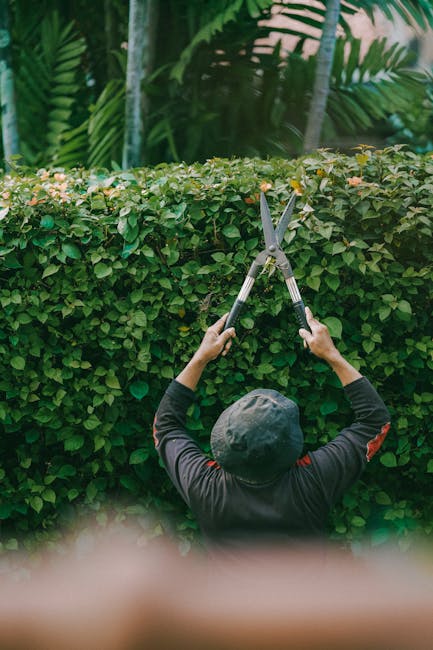
Gardeners for Hedging Jobs Near Crossness Pumping Station
If you are looking for gardeners for hedging jobs near Crossness Pumping Station, you are probably not after fluff. You want someone who can shape an unruly hedge properly, keep the work tidy, and leave the garden looking cared for rather than butchered. Fair enough. A hedge can be the difference between a front garden that feels sharp and welcoming, and one that looks a bit left behind.
This guide explains what good hedging work involves, how local gardeners usually approach it, what to expect from the process, and how to avoid the common mistakes that can cost you time or money. It also covers practical checks on quality, safety, and long-term hedge health, so you can make a sensible decision without guesswork.
For a broader view of available help, you can also explore the full range of garden services and the team's background and approach if you want to understand how a local crew works before booking anything.
Table of Contents
- Why Gardeners for hedging jobs near Crossness Pumping Station Matters
- How Gardeners for hedging jobs near Crossness Pumping Station Works
- Key Benefits and Practical Advantages
- Who This Is For and When It Makes Sense
- Step-by-Step Guidance
- Expert Tips for Better Results
- Common Mistakes to Avoid
- Tools, Resources and Recommendations
- Law, Compliance, Standards, or Best Practice
- Options, Methods, or Comparison Table
- Case Study or Real-World Example
- Practical Checklist
- Conclusion
- Frequently Asked Questions
Why Gardeners for hedging jobs near Crossness Pumping Station Matters
Hedges are not just decorative borders. They affect privacy, light, boundary definition, street appearance, and even how easy it is to maintain the rest of the garden. Around Crossness Pumping Station, where gardens can include a mix of older planting, exposed corners, and boundary hedging that gets hammered by weather, a poor trim can be obvious very quickly.
Done well, hedge work keeps growth dense and healthy. Done badly, it can leave ragged cuts, uneven lines, and bare sections that may take months to recover. That is why hiring a proper gardener for hedge work matters more than people sometimes think. A hedge is living structure, not just greenery to be hacked back once a year.
There is also a practical side. Overgrown hedges can encroach on paths, driveways, and sightlines. They can make small gardens feel tighter and, in some cases, create awkward issues with neighbours if branches spread across a boundary. You do not need drama. You just need it sorted cleanly.
Expert summary: good hedge work protects plant health, keeps outdoor spaces usable, and reduces future maintenance headaches. The right gardener will cut for shape, timing, and recovery - not just for speed.
If the garden needs more than trimming, a gardener may suggest related work such as routine garden maintenance or even garden clearance if the hedge has been neglected for a while. Sometimes the hedge is the visible problem, but the real issue is everything around it.
How Gardeners for hedging jobs near Crossness Pumping Station Works
In most cases, hedge work starts with a simple assessment. A gardener checks the hedge type, current height and width, access, any nearby obstacles, and whether the hedge has already been shaped into a formal line or left more natural. That first look matters because different hedges respond differently to trimming.
For example, a dense evergreen boundary hedge usually needs a clean, controlled cut to preserve its outline. A softer or more informal hedge may need light shaping rather than heavy reduction. Truth be told, not every hedge likes the same treatment. Plants can be fussy like that.
The gardener will also consider the best time to carry out the work. In the UK, timing often depends on nesting birds, plant species, and the condition of new growth. You do not need to memorise every rule, but you do want a gardener who understands that the calendar matters. A hedge cut at the wrong time can look neat today and miserable tomorrow.
Once the plan is set, the work usually follows a fairly straightforward flow:
- Inspect the hedge and surrounding area.
- Confirm the desired shape, height, and finish.
- Carry out trimming or reduction using suitable tools.
- Collect and remove cuttings.
- Check the hedge line for uneven patches or missed growth.
- Advise on aftercare if needed.
If the hedge sits alongside a broader landscaping project, it can be smart to combine it with landscaping work or even larger garden redesign support. That way, the hedge does not end up looking freshly trimmed next to a completely unfinished border. A small thing, maybe, but it matters visually.
Key Benefits and Practical Advantages
There are several reasons people keep booking hedge work rather than leaving it until the hedge has its own postcode.
- Better curb appeal: a neat hedge makes a property look cared for straight away.
- Improved light and space: reducing overhang can make a garden feel bigger and brighter.
- Healthier growth: regular shaping helps hedges stay dense and balanced.
- Safer access: paths, gates, and driveways become easier to use.
- Less stress with neighbours: tidy boundaries usually avoid awkward conversations.
- Less work later: regular trims are easier than one huge rescue job.
One of the biggest benefits is predictability. When hedges are maintained properly, you can plan around them instead of reacting to them. No one likes discovering that a hedge has started swallowing the front path just before guests arrive.
There is also a quality-of-life benefit. A trimmed hedge can change how a garden feels at 8am with dew on the leaves or in the late afternoon when the light catches the edges. Sounds a bit poetic, but it is true. A small bit of order can make the whole space calmer.
And if the hedge work is part of a bigger upkeep plan, services such as lawn mowing and ongoing maintenance often make sense together. Once the hedge is neat, the rest of the garden tends to stand out more, for better or worse.
Who This Is For and When It Makes Sense
Hedging jobs are a good fit for a wide range of property owners and tenants. If any of the following sound familiar, it may be time to bring in a gardener:
- Your hedge is getting too tall to manage safely with a domestic ladder.
- The shape has become patchy, uneven, or too wide.
- You need privacy but want to avoid letting the hedge become bulky.
- Branches are spilling into a walkway, driveway, or neighbour's side.
- You have just moved in and the garden needs a reset.
- You want the hedge kept tidy through the growing season, not just once a year.
Some people only need a one-off hedge trim. Others need a recurring service because the hedge grows fast, or because the garden is part of a rental property or shared space. In those situations, a regular visit can be a lot less painful than waiting until the job becomes a half-day wrestling match.
This is also relevant if you are preparing a property for sale or rental. First impressions count, and hedges are one of the first things people notice from the pavement. A lopsided hedge gives a strange message before anyone has even opened the gate.
For readers comparing service providers, it can help to check the company's pricing and quote process early on. Clear quoting usually suggests a more organised service, and that tends to carry through to the work itself.
Step-by-Step Guidance
If you want a smooth result, the process should feel simple and transparent. Here is a practical way to approach it.
1. Walk the boundary with the gardener
Point out the hedge sections that matter most. Maybe the rear boundary needs height control, while the front needs a clean face for kerb appeal. Be specific. "Tidy it up" can mean three different things to three different people, which is rarely helpful.
2. Decide what kind of finish you want
Do you want formal and straight, or softer and more natural? Do you want the hedge reduced in size or just shaped? A good gardener will explain what is realistic for the hedge type and season.
3. Check access and waste removal
Ask how clippings will be handled. Some jobs create a small pile; others create a surprising mountain. If you have limited access through the side return or rear gate, mention that before the work starts.
4. Confirm timing and disruption
Most hedge jobs are straightforward, but larger jobs can create noise and debris. If you work from home, have pets, or share outdoor space, timing matters more than people think. Better to sort that out in advance than to discover the hedge trimmer at full volume during a call.
5. Inspect the finish before the team leaves
Take a slow look at the hedge line from a few angles. Check for missed sections, uneven corners, and whether the base is too narrow. It is much easier to tidy small points immediately than to chase them later.
If the hedge job reveals deeper garden issues, you may decide to combine it with tree lopping and removal for overhanging branches, or with clearance work if the space needs a bigger reset. Sometimes the best result is not one job, but the right sequence of jobs.
Expert Tips for Better Results
Small decisions make a big difference with hedges. Here are the things that usually separate a decent finish from a genuinely good one.
- Trim with the hedge's natural line in mind. Forcing a shape that fights the plant often leads to bare patches.
- Keep the top slightly narrower than the base. That simple taper helps light reach the lower growth.
- Do not overcut in one go. Heavy reduction can shock some hedges and leave them thin for longer than expected.
- Watch for nesting season sensitivities. If birds are active, a careful gardener will pause or adjust the work.
- Plan around weather. Wet, windy conditions can make hedge work messier and less precise.
One tip people often miss: look at the hedge in daylight from both sides, if possible. A hedge that seems straight from one side can look wonky from the other. Yes, hedges can be a bit dramatic like that.
Another useful habit is to think in terms of maintenance rhythm, not rescue mode. A hedge trimmed regularly is easier to manage, less stressful for the plant, and usually cheaper than repeated hard cuts. That is just the honest version.
If sustainability matters to you, ask how the clippings are handled and whether green waste is separated responsibly. You can also read more about the company's recycling and sustainability approach if environmental handling is part of your decision-making.
Common Mistakes to Avoid
Most hedge problems come from a short list of avoidable mistakes. The tricky part is they often look harmless at first.
- Leaving it too long: once a hedge has become overgrown, the fix is slower and more disruptive.
- Cutting too hard at once: severe reduction can create gaps or stress the plant.
- Using the wrong tools: blunt or unsuitable tools leave messy cuts.
- Ignoring shape: a flat top with vertical sides may seem neat, but it can be wrong for the hedge type.
- Not checking boundaries: a hedge can grow where no one planned it to grow. Classic.
- Skipping waste removal: a tidy hedge beside a messy pile of clippings is not a finished job.
Another subtle mistake is focusing only on height. Width matters too. A hedge that is kept short but allowed to bulge outward can swallow pathways, frames, fences, and light. It becomes a maintenance problem all over again.
To be fair, some hedges have simply been neglected for years. In those cases, the job may need patience rather than perfection on day one. A sensible gardener will explain what can be restored immediately and what may need a second visit later in the season.
Tools, Resources and Recommendations
A proper hedge job relies on the right equipment and an organised approach. The exact tools depend on the hedge and the site, but the basics often include hedge trimmers, loppers, secateurs, ladders or step platforms where appropriate, tarps for debris, and proper cutting tools for awkward branches.
The point is not the tools themselves. It is how they are used. Sharp blades, controlled cuts, and safe positioning matter more than making the kit look impressive. A bit of competence goes a long way.
For a homeowner or property manager, the most useful resources are often simpler than you expect:
- A clear brief on the hedge height and shape you want.
- Photos of the hedge before work, especially if you are booking remotely.
- A rough schedule for how often the hedge usually needs trimming.
- Notes on access, pets, parking, or shared boundaries.
If you are planning a larger outdoor refresh, the garden may benefit from support beyond hedge work alone. In that case, it helps to review services like hedge trimming, lawn mowing, and even landscaping to see what combination best fits the space.
Law, Compliance, Standards, or Best Practice
For hedge work in the UK, the main concern is usually not bureaucracy. It is doing the job responsibly. That said, there are a few best-practice points worth knowing.
First, nesting birds are a real consideration. A careful gardener will avoid disturbing active nests and will work with caution during the season when wildlife activity is higher. If there is any sign of nesting, the work should be paused or adapted. That is both sensible and respectful.
Second, any work at height should be treated properly. Domestic ladders, unstable ground, and overreaching are a bad combination. A professional should use suitable access methods and not take silly risks. You want the hedge trimmed, not a repair job.
Third, waste handling should be tidy and lawful. Green waste should be removed, contained, or recycled in a sensible way according to the service agreement. If disposal is included, it should be clear from the start. If not, you should know what to expect.
It is also reasonable to ask about insurance and safety arrangements. A trustworthy company should be able to explain how it manages risk and what its procedures are. You can review the team's insurance and safety information and health and safety policy if you want reassurance before booking.
One more thing: if a hedge sits on or near a shared boundary, it is wise to be polite and practical about the work. Boundary issues can be touchy. Better to keep everything clear and documented in plain English, not on feelings alone. Happens all the time.
Options, Methods, or Comparison Table
Different hedge jobs call for different approaches. Here is a simple comparison that may help you decide what you actually need.
| Method | Best for | Advantages | Watch-outs |
|---|---|---|---|
| Light trim | Healthy hedges with regular upkeep | Fast, tidy, low stress for the plant | Not enough for serious overgrowth |
| Shaping and reduction | Hedges that have become too wide or tall | Restores structure and improves light | Needs judgement so the hedge is not overcut |
| Full reset / corrective work | Neglected or very uneven hedges | Gives the garden a fresh starting point | Can be more disruptive and may take more than one visit |
| Hedge work bundled with maintenance | Gardens needing ongoing care | More consistent appearance, fewer surprises | Requires a schedule and regular follow-through |
If you are unsure which route is right, ask the gardener to describe the hedge's likely recovery after each option. That answer tells you a lot. A rushed "we can do anything" response is not always a good sign, to be honest.
Case Study or Real-World Example
A typical local scenario goes something like this. A homeowner notices the front hedge has crept outwards over the spring. At first it looks harmless. Then the gate starts catching, the pavement feels narrower, and the hedge begins to hide the shape of the garden rather than frame it.
The gardener arrives, checks the hedge from both sides, and agrees the job should be a controlled reduction rather than a severe cut. The team trims the top, corrects the side line, clears the clippings, and leaves the boundaries open again. Nothing flashy. Just clean, careful work.
A week later, the homeowner notices something small but satisfying: the garden gets more light in the morning, the path feels easier to use, and the front of the property looks far more intentional. That is usually how good hedge work feels. Quietly effective.
In another case, a hedge tucked beside a rear fence had become tangled with stray branches and awkward growth from nearby plants. The gardener recommended combining hedge work with a little tree pruning and light cleanup. That saved the owner from booking separate visits and gave the space a more settled look. Not every garden wants a grand transformation. Sometimes it just needs a reset and a bit of breathing room.
Practical Checklist
Before you book a hedge job, run through this quick checklist. It saves time and helps the work go smoothly.
- Do I know whether I need trimming, shaping, reduction, or a full reset?
- Have I checked where the boundary actually sits?
- Is there enough access for tools and waste removal?
- Have I mentioned pets, children, parking, or shared entrances?
- Do I want clippings removed as part of the job?
- Have I looked at how often the hedge will need future maintenance?
- Do I want this work combined with other garden tasks?
- Have I reviewed the gardener's service range and quote process?
And a small one, but useful: have you taken a quick "before" photo? It helps if you ever want to compare the final result. Plus, on a rainy Tuesday, memory can be surprisingly unhelpful.
For more support around broader garden upkeep, it may be worth browsing service options or checking the company's contact details when you are ready to ask a few direct questions.
Conclusion
Choosing gardeners for hedging jobs near Crossness Pumping Station is really about finding someone who understands the plant, the property, and the practical realities of the job. A good hedge cut should feel balanced, tidy, and deliberate. It should make the garden easier to live with, not just look better for the day.
The best results usually come from clear communication, sensible timing, and a gardener who knows when to trim lightly and when to step back and preserve the hedge's structure. Simple enough in principle, but it makes all the difference in practice.
If you want a garden that feels neater, lighter, and easier to manage, hedge work is one of the smartest places to start. Small change, big effect. Funny how that happens.
Get a free quote today and see how much you can save.
Frequently Asked Questions
What do gardeners for hedging jobs near Crossness Pumping Station usually include?
Most hedge jobs include trimming, shaping, basic reduction if needed, and clearing away the cuttings. Some gardeners also offer advice on aftercare or combine hedge work with general garden maintenance.
How often should a hedge be trimmed?
That depends on the hedge type and how fast it grows. Many hedges benefit from regular trimming rather than one heavy cut, because that keeps the shape cleaner and the plant healthier over time.
Can a badly overgrown hedge be restored?
Often, yes - but not always in one visit. Very overgrown hedges may need gradual reduction, especially if you want to avoid stressing the plant or leaving bare sections.
Is hedge trimming better in spring, summer, or autumn?
It depends on the hedge species and local conditions. A careful gardener will consider plant growth, weather, and wildlife activity before recommending the right timing.
What should I ask before hiring a hedge gardener?
Ask what the job includes, how waste will be handled, whether the hedge will be reduced or just shaped, and whether the company has appropriate insurance and safety procedures.
Will the gardener remove all the clippings?
Usually they can, but you should confirm this in advance. Some jobs generate a large volume of green waste, so disposal details are worth agreeing before work starts.
Can hedge work be done if there are birds nesting nearby?
If nesting birds are active, the work should be treated with caution and may need to be delayed or adjusted. A responsible gardener will not push ahead blindly if there is a wildlife concern.
What is the difference between trimming and reduction?
Trimming tidies the existing shape and removes new growth. Reduction is more substantial and is used when the hedge has become too tall or wide and needs bringing back into size.
How do I know if my hedge needs professional help?
If it is too tall to manage safely, looks uneven, blocks light, or is beginning to interfere with access or boundaries, it is probably time to bring in a professional.
Can hedge work be combined with other garden services?
Yes, and that often makes sense. Many people bundle hedge work with lawn mowing, clearance, or landscaping tasks so the garden gets a more complete tidy-up in one go.
What should I do before the gardener arrives?
Clear access if possible, secure pets, identify any shared boundary concerns, and make a note of the finish you want. A little preparation makes the visit smoother and usually gives a better result.
How do I choose the right service for my garden?
Think about the current state of the hedge, how much time you want to spend maintaining it, and whether the work is part of a broader garden improvement plan. If you are unsure, a quick quote and conversation usually makes the choice clearer.